Why waterproofing matters in Dubai
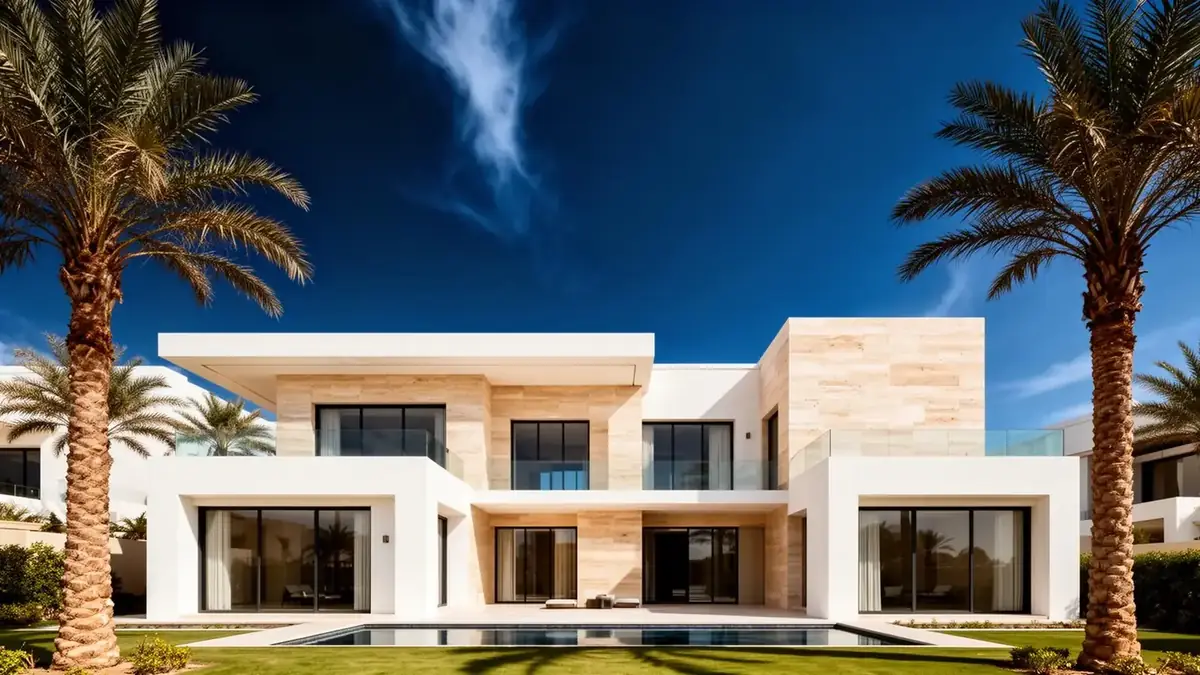
Dubai gets short, intense rain events that find every weak point in a building's envelope. Combined with year-round irrigation around villas and constant wet-area use inside, waterproofing failures are one of the top three building defects we're called to fix.
Most failures aren't from product failure — they're from poor substrate preparation, wrong system choice for the application, or skimped overlaps at corners. We over-spec preparation and detailing because the product warranty depends on it.
Systems we apply
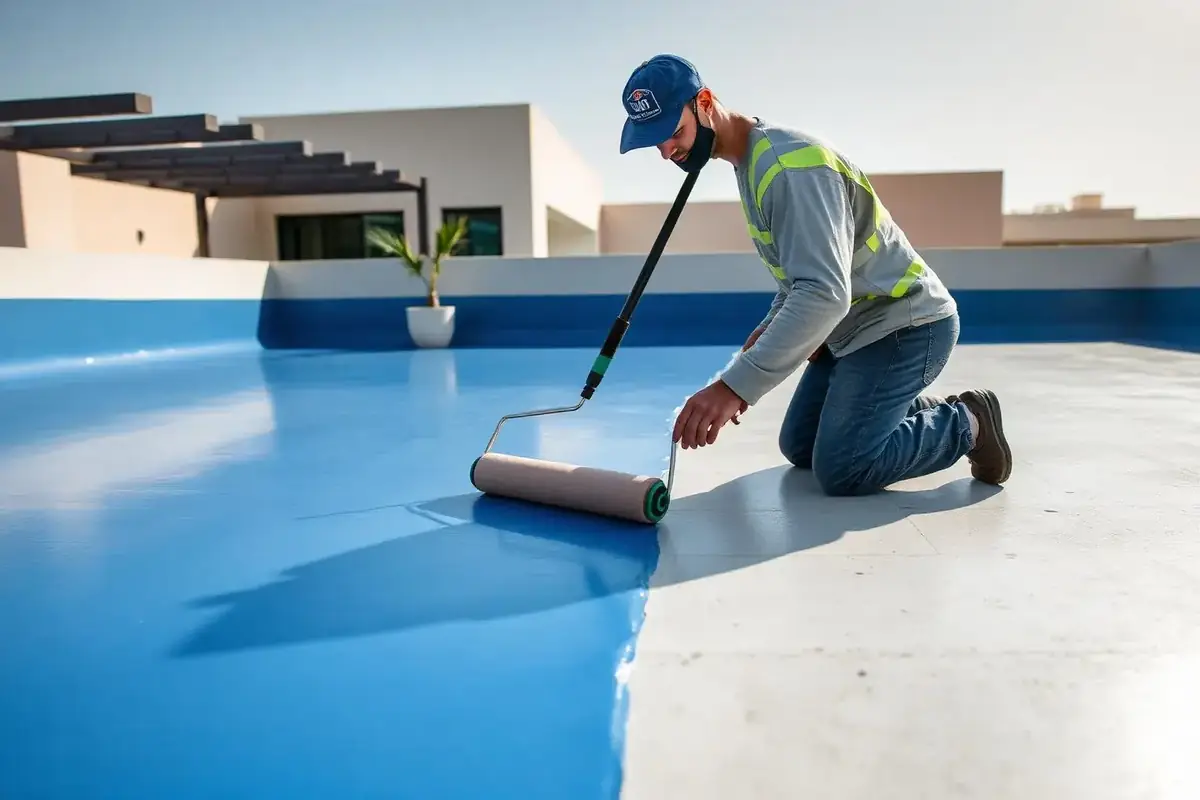
Liquid-applied polyurethane for roofs and terraces, cementitious slurry for bathrooms and wet areas, bituminous membrane for basements and below-grade, and crystalline systems for retaining walls. Every system is selected based on substrate, exposure and warranty needs — and documented on the project handover.
Waterproofing systems we apply and where they belong
Roofs: liquid-applied polyurethane membrane with UV-stable top-coat, or APP/SBS torch-on bitumen membrane for larger areas — both with proper primer, reinforcing fabric at upstands, and 100mm laps. Wet areas (bathrooms, kitchens, laundry): cementitious flexible coating with reinforcing mesh at corners and floor-wall joints, taken 150mm up walls minimum. Basements and retaining walls: bentonite or crystalline systems applied to the positive side where possible. Swimming pools: cementitious + epoxy primer system inside the shell before tile.
Leak detection and remedial work
Mystery leaks need diagnosis before repair. We use moisture-meters, thermal imaging and pressure-testing to find the actual source rather than chasing symptoms. Many 'roof leaks' in Dubai are actually AC condensate, plumbing leaks, or wall-flashing failures — fixing the wrong thing wastes money and the leak returns.